Understanding Your Energy Consumption
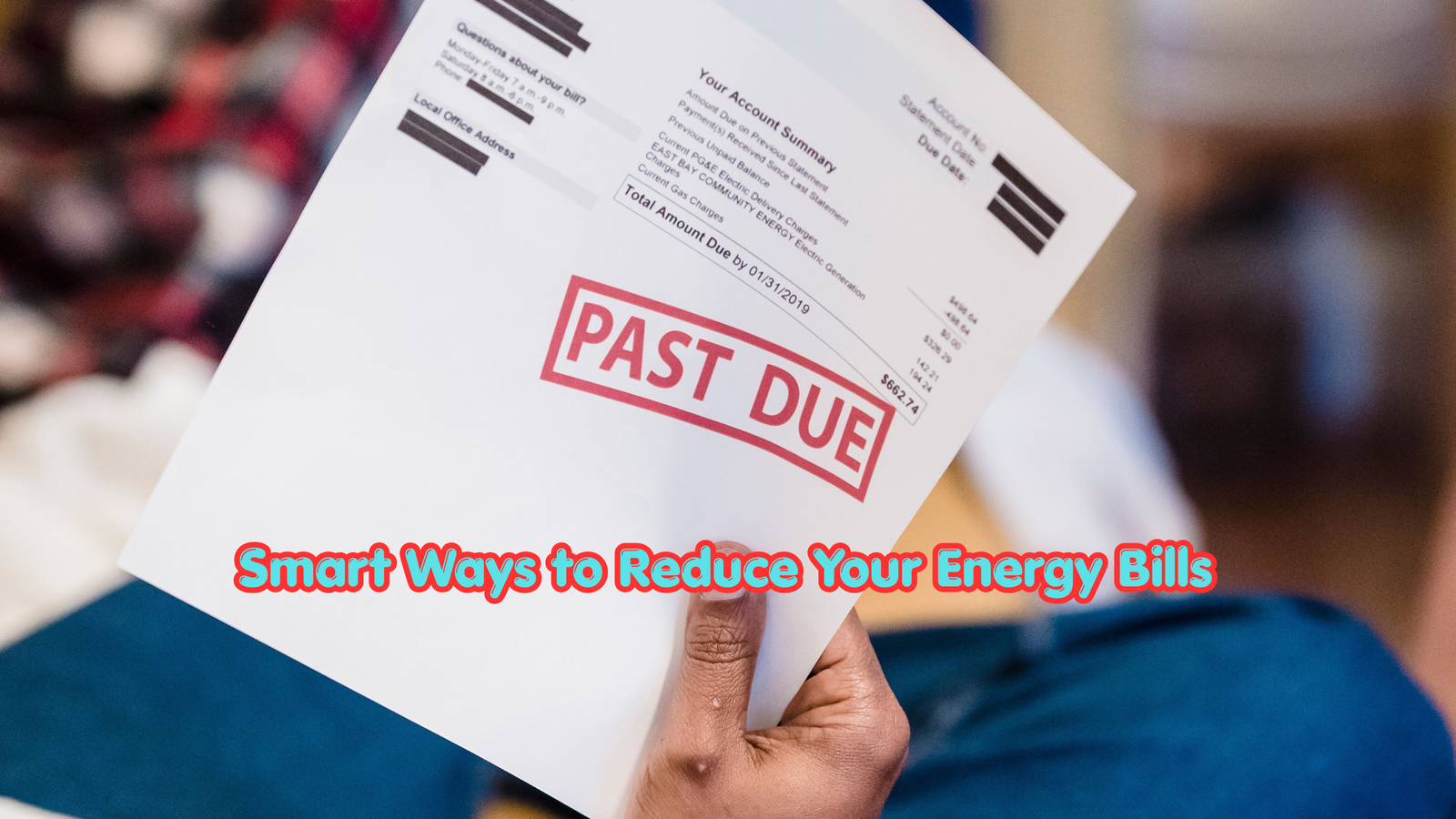
To effectively manage your energy bills, a comprehensive understanding of your household energy consumption is essential. One of the initial steps in this process is learning how to read your energy bills. Familiarizing yourself with the various components of your bill, including the total number of kilowatt-hours (kWh) consumed, peak and off-peak rates, and any additional fees, can provide valuable insights into your usage patterns. These details allow you to identify when and how much energy you are using, enabling you to make informed decisions about your energy consumption habits.
Another beneficial tool for monitoring your energy consumption is the smart meter. Smart meters offer real-time data on energy usage, allowing you to see how much energy your household is consuming at any given time. This technology provides a detailed breakdown of energy consumption by the hour, day, or month, which can help you pinpoint high-energy usage periods and specific appliances that may be contributing to increased costs. By analyzing this data, you can adjust your usage habits, potentially leading to significant savings on your energy bills.
Understanding the energy demands of different appliances is also crucial. Certain devices, such as refrigerators, water heaters, and heating and cooling systems, tend to consume more energy than others. By identifying which appliances are energy-intensive, you can explore options for reducing their usage or upgrading to more energy-efficient models. Additionally, using energy-efficient settings where available can significantly lower the overall energy demands of these appliances.
Ultimately, establishing a consistent monitoring system for your energy consumption will allow you to gather insights over time. This can involve tracking monthly usage trends or utilizing energy management apps that provide personalized recommendations based on your specific consumption patterns. By maintaining awareness of your energy usage, you position yourself to make effective changes that lead to lower energy bills and a more sustainable household.
Investing in Energy-Efficient Appliances
Upgrading to energy-efficient appliances offers numerous advantages for homeowners and businesses alike. One of the primary benefits is the substantial reduction in energy consumption. Energy-efficient appliances are designed to use less power while maintaining the same level of performance compared to their traditional counterparts. This means that not only do these appliances reduce greenhouse gas emissions, but they also contribute significantly to lowering your energy bills.
When considering the long-term financial implications of energy-efficient appliances, the cost savings become evident. Although the initial purchase price of these appliances may be higher than that of standard models, the investment often pays off quickly in the form of lower utility bills. For example, an energy-efficient washing machine can use around 20% less energy and up to 50% less water than a conventional machine. Over the appliance’s lifespan, these savings add up, allowing you to recover the initial cost and ultimately save more.
Examples of energy-efficient appliances can be found in various categories, including refrigerators, dishwashers, washing machines, and HVAC systems. Many of these products carry the Energy Star label, indicating they meet specific energy efficiency guidelines set by the Environmental Protection Agency (EPA). For instance, Energy Star-rated refrigerators utilize advanced insulation and compressors to minimize energy usage. Likewise, modern dishwashers equipped with efficient wash cycles and sensors can save both water and energy, making them an excellent choice for eco-conscious consumers.
It is worth noting that investing in energy-efficient appliances not only leads to immediate cost benefits but also promotes environmental sustainability. By making conscientious choices about the appliances we use, we contribute to a future that relies less on fossil fuels, paving the way for a more sustainable energy landscape.
Utilizing Smart Technology for Energy Management
In recent years, smart home technology has emerged as a robust solution for reducing energy bills. By leveraging devices like smart thermostats, smart plugs, and comprehensive energy management systems, homeowners can automate their energy usage efficiently. These technologies not only provide convenience but also optimize energy consumption, leading to significant cost savings.
Smart thermostats, such as those from Nest or Ecobee, allow users to program heating and cooling schedules based on their daily routines. This prevents unnecessary energy expenditure when the home is unoccupied. Additionally, many of these devices utilize machine learning algorithms to adapt to user behavior, further enhancing their efficiency. For instance, by learning when you typically leave for work or go to bed, a smart thermostat can adjust the temperature accordingly, ensuring energy is conserved without sacrificing comfort.
Moreover, smart plugs enable users to monitor and control energy usage of individual devices remotely. These plugs can be programmed to turn appliances off when they’re not in use or be scheduled to operate during off-peak hours when electricity rates are lower. This proactive management is instrumental in reducing energy consumption and can be easily managed through a smartphone app.
Energy management systems (EMS) take this a step further by providing a comprehensive overview of energy consumption across the entire home. By analyzing data from connected devices, an EMS can highlight patterns in energy usage, allowing homeowners to make informed decisions about their habits. This insight is vital for identifying high-consumption devices and optimizing their use, thereby facilitating significant savings on energy bills.
Incorporating these smart technologies into daily life not only provides immediate benefits but also contributes to long-term energy efficiency. With the ability to automate and monitor energy use, residents can ensure that they are utilizing resources in the most effective manner, leading to both environmental benefits and reduced utility costs.
Insulation and Sealing Your Home
One of the most effective strategies for enhancing energy efficiency in your home is ensuring proper insulation and sealing. Effective insulation minimizes heat transfer, keeping your living space comfortable throughout the year while also significantly reducing energy bills. It is crucial to understand the different types of insulation available and how to implement them in your home.
Firstly, insulation materials vary widely in terms of composition and efficiency. Common types include fiberglass, foam board, spray foam, and cellulose. Each type has its own advantages and ideal applications. For example, fiberglass is popular due to its affordability and effectiveness in various areas, including walls and attics, whereas spray foam provides excellent air sealing capabilities, making it ideal for irregular spaces.
Identifying drafts is another key component of energy efficiency. Drafts can significantly contribute to energy loss, making it essential to locate problem areas. A simple way to check for drafts is to conduct a hand test or use a candle to detect airflow around windows, doors, and electrical outlets. If you feel a draft or see the flame flicker, it indicates that there is an air leak that needs to be addressed.
DIY sealing techniques can be highly effective and cost-efficient methods to combat drafts. One popular method is applying weatherstripping around doors and windows to create a tight seal. Additionally, you can use caulk to fill small gaps and cracks that may be allowing cold air to infiltrate your home. For larger openings, consider using expanding foam or door sweeps to seal the bottom of doors effectively.
By investing in proper insulation and sealing techniques, homeowners can create a more energy-efficient residence that not only saves money on utility bills but also contributes to environmental sustainability by reducing the overall energy consumption of the household.
Adopting Renewable Energy Solutions
As homeowners increasingly seek to reduce their energy bills and mitigate their environmental footprint, adopting renewable energy solutions has become a compelling option. Among the most prevalent technologies are solar panels, wind turbines, and geothermal systems. Each of these solutions offers unique benefits, initial investment requirements, and potential for long-term savings, making them worthy considerations for those looking to implement sustainable energy practices.
Solar panels are perhaps the most recognized renewable energy option available to homeowners. These systems harness solar power, converting sunlight into electricity. Initial costs can vary based on the size of the installation, but many states and municipalities offer incentives such as tax credits and rebates to offset these expenses. Over time, homeowners can experience significant savings on their electricity bills, especially in areas with abundant sunlight.
Wind energy is another viable option, particularly for those living in rural areas with sufficient wind resources. Small-scale wind turbines can be installed to generate clean energy that reduces reliance on grid electricity. Like solar energy, the up-front costs for wind turbines can be substantial; however, various government programs assist with financial incentives to promote this cleaner alternative. The combined savings from decreased energy bills and renewable energy incentives can make this an attractive investment.
Geothermal systems represent a third innovative solution. This technology taps into the earth’s constant temperature to provide efficient heating and cooling. Though the initial costs for installation can be higher than traditional systems, the long-term energy savings can be substantial. Geothermal systems not only lower energy bills but also contribute to a lower carbon footprint due to their minimal use of fossil fuels.
In conclusion, adopting renewable energy solutions such as solar panels, wind turbines, and geothermal systems can significantly reduce energy bills for homeowners. Additionally, with the available government incentives and the promise of long-term savings, transitioning to these technologies can be both economically and environmentally beneficial.
Changing Energy Habits
In today’s world, small habit changes can lead to substantial energy savings, which not only reduces energy bills but also contributes to a more sustainable environment. One significant habit modification is optimizing laundry loads. By waiting to do laundry until you have a full load, you maximize the use of water and electricity, rather than running smaller loads that require a disproportionate amount of energy. Whenever possible, it is also advisable to wash clothes in cold water, as heating water consumes a considerable amount of energy.
Another impactful habit is being conscientious about unplugging devices when they are not in use. Many electronic devices and chargers consume energy even when they are turned off, a phenomenon known as phantom load. Utilizing power strips can simplify this process, allowing you to turn off multiple devices simultaneously, effectively reducing energy waste.
Additionally, adjusting your usage of energy during off-peak hours is a practical way to manage energy costs. Many utility companies charge higher rates during peak demand times. By shifting activities such as running the dishwasher or charging electric vehicles to off-peak hours, consumers can take advantage of lower rates while simultaneously alleviating pressure on the electrical grid during times of high demand.
Moreover, being mindful of heating and cooling habits can significantly impact energy expenditure. Setting thermostats a few degrees lower in winter and higher in summer can lead to notable savings over time. Complementing this with the use of ceiling fans can circulate air effectively, making such temperature adjustments more manageable.
In essence, by adopting these small yet effective changes in daily energy habits, individuals can achieve considerable reductions in energy bills while promoting a more energy-conscious lifestyle. Not only do these adjustments save money, but they also foster a broader environmental responsibility.
The Role of Weatherization in Energy Savings
Weatherization plays a crucial role in enhancing the energy efficiency of your home, ultimately contributing to significant savings on energy bills. This process involves various techniques aimed at improving the thermal performance of buildings, thereby reducing the energy required for heating and cooling.
One of the fundamental steps in weatherization is sealing air leaks. Common areas where leaks occur include windows, doors, and even electrical outlets. These gaps allow heated or cooled air to escape, forcing heating and cooling systems to work harder, which translates to higher energy bills. By using weatherstripping and caulking to seal these leaks, homeowners can create a more energy-efficient environment.
Another vital technique is adding insulation to vital areas of the home. Insulation acts as a barrier to heat flow, keeping the home warm in winter and cool in summer. It is particularly effective in attics, walls, and basements. Proper insulation not only regulates indoor temperature but also ensures that HVAC systems operate more efficiently, leading to reduced energy consumption.
Installing energy-efficient windows is also an essential weatherization strategy. Traditional single-pane windows can be significant sources of heat loss. Replacing them with double or triple-pane energy-efficient windows can greatly reduce this loss, thereby lowering heating and cooling costs. Energy-efficient windows come with features such as low-emissivity coatings and gas fills, which enhance their thermal performance.
Overall, weatherization is an integral part of a comprehensive approach to energy savings, enabling homeowners to significantly reduce their energy bills. Furthermore, it contributes to a more comfortable living environment and decreases reliance on heating and cooling systems. For those looking to start weatherization, consulting with a professional can help identify the most effective measures suitable for their specific home and climate conditions.
Implementing Energy Efficiency Education in Households
Education plays a crucial role in fostering an understanding of energy conservation among all members of a household. To effectively cut down on energy bills, it is essential that both adults and children are engaged in learning about energy-efficient practices. This shared knowledge not only encourages sustainable habits but also instills a sense of responsibility towards energy use in everyday life.
One effective strategy to promote energy efficiency education is through family discussions. Setting aside time to talk about energy conservation can provide a platform for everyone to share ideas, ask questions, and understand the impact of their actions. Parents can explain concepts such as energy waste and carbon footprints, making the abstract ideas more relatable. Additionally, incorporating real-life examples, such as the consequences of leaving lights on, can drive the point home.
Interactive activities can also serve as an excellent method for educating family members. For instance, organizing a home energy audit as a family not only educates but also involves everyone in the process. Using DIY tools, families can identify areas where energy is being wasted, such as drafts or outdated appliances. This hands-on approach can be both educational and empowering, giving households ownership of their energy-saving initiatives.
Moreover, utilizing available resources can enhance learning. Many organizations offer free workshops, online courses, and downloadable materials focusing on energy efficiency practices. Websites that promote sustainability often provide age-appropriate resources tailored for children, ensuring that they can grasp the importance of reducing energy consumption. Engaging with community programs can also provide families with practical strategies for energy savings.
Ultimately, the engagement of all household members in energy education is essential for achieving lasting reductions in energy use and costs. By fostering an environment of learning and responsibility, families can work together towards more sustainable energy practices, thereby not only reducing their energy bills but also contributing to a greener planet.
Evaluating and Using Utility Programs and Rebates
To effectively reduce energy bills, it is crucial to consider the various programs and incentives offered by utility companies. These programs are designed to promote energy efficiency among consumers, often providing rebates and financial assistance for upgrades that lower energy consumption.
The first step in leveraging these opportunities is to research local utility programs. Many energy providers have dedicated web pages detailing their offerings, which can vary significantly based on location. This information usually includes available rebates for energy-efficient appliances, insulation, and renewable energy installations, such as solar panels. Additionally, some programs may offer cash incentives for energy audits that can help identify areas for improvement in your home or business.
Once you have identified the programs available in your area, the next step is to apply for the applicable rebates. This process typically involves submitting an application along with any required documentation, such as proof of purchase or installation. Some utility companies may require specific forms to be completed, while others might provide a simple online application. It can be helpful to gather this documentation ahead of time to ensure a smooth application process.
Moreover, staying informed about deadlines is essential, as many programs have limited funding or a time-sensitive nature. Some incentives may be available on a first-come, first-serve basis, so prompt action can significantly enhance your chances of receiving the rebates.
Taking full advantage of utility programs not only results in upfront cost savings but also contributes to lower energy bills over the long term. Remember that these efforts not only benefit your finances but also contribute positively to environmental conservation, which is an added advantage. By investigating and utilizing available utility programs effectively, you can maximize your savings while enhancing energy efficiency in your home or business.