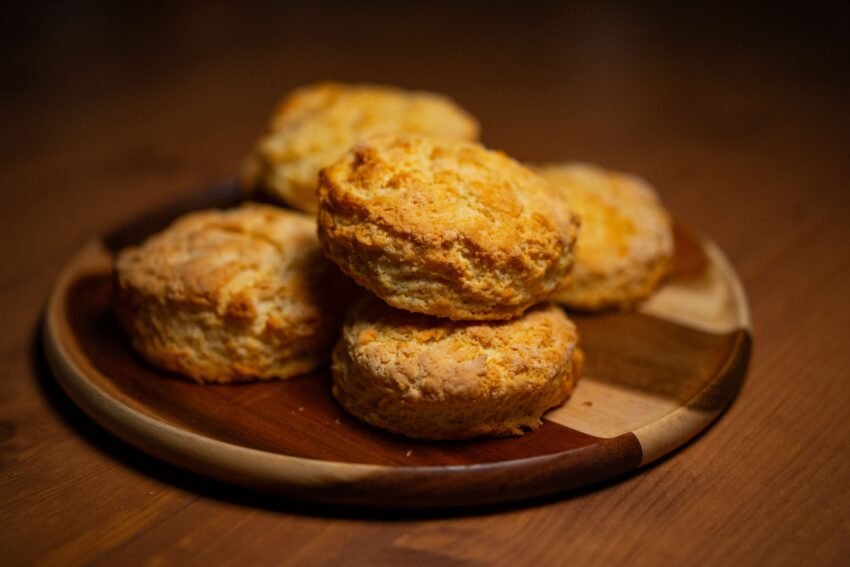
Sogginess describes the loss of a biscuit’s characteristic crisp, crumbly texture as it takes on moisture or otherwise softens. A crisp biscuit may snap cleanly or break into dry, delicate crumbs; a soggy one feels damp, limp, chewy, or unpleasantly soft instead. The change can happen gradually, so a biscuit that seemed fine when freshly baked may become noticeably less crisp after sitting in a humid room or being stored in a sealed container before it has cooled.
Softness alone does not always mean a biscuit is soggy. Some biscuits are meant to be tender, moist, and delicate from the moment they come out of the oven. Their texture comes from the recipe and method, and they should still feel pleasant and consistent throughout. By contrast, a biscuit that has become soggy often has an unexpected softness: its surface may feel tacky, its centre may seem heavy, or it may bend rather than crumble. This distinction helps explain why a tender shortbread or soft-baked biscuit is not necessarily a failed one, while a formerly crisp biscuit that has turned limp has likely changed after baking.
When asking why do biscuits get soggy, it helps to consider the entire process rather than blaming storage alone. Excess moisture in the ingredients, an underbaked centre, or trapped steam during cooling can leave a biscuit soft. Later, humid air, an unsuitable container, or contact with moist foods and toppings may also affect its texture. The way a biscuit is served matters, too: dipping it in a drink or adding a wet filling can soften it quickly. Identifying when the texture changed is a useful first step toward keeping biscuits crisp, whether the solution involves adjusting the recipe, baking time, cooling routine, storage conditions, or serving method.
Moisture is one of the main reasons biscuits lose their crispness. Their baked, dry structure contains many tiny pores and air spaces, creating a large surface area where water vapour can settle. Once moisture enters these spaces, it softens the biscuit and changes its texture. This explains why do biscuits get soggy even when no liquid has been poured directly over them: exposure to damp air alone can gradually affect them.
A humid kitchen can be enough to start the process, particularly if biscuits are left uncovered on a counter. Steam from boiling a kettle, cooking pasta, or simmering a sauce adds extra water vapour to the air. Handling also matters. Damp hands can transfer moisture, while a plate that has been rinsed but not fully dried may leave the underside of a biscuit soft. Placing biscuits near a sink or beside a steaming mug can have a similar effect, even if they do not touch the liquid.
Contact with moist foods presents a more direct risk. Fresh fruit releases water, and jam can transfer moisture into a biscuit where the two touch. Gravy and other sauces soften biscuits quickly because they contain liquid that the porous baked surface readily absorbs. Even a crisp biscuit dipped briefly into a hot drink may continue to soften as moisture spreads inward from its surface. The amount does not need to be large: small, repeated exposure can change the texture over time. Leaving biscuits beside a hot drink, rather than dipping them, can also expose them to warm vapour. Keeping them away from steam, damp surfaces, wet hands, and moist foods helps preserve their crunch. Moisture may not be visible at first, but it can gradually reduce that characteristic snap, especially when biscuits are left exposed for several hours.
Biscuits can appear crisp when they first leave the oven, yet soften noticeably as they cool. Often, the centre still contains more moisture than the browned exterior suggests. Baking drives water from the dough as steam; if biscuits are removed too early, some moisture remains inside. As they cool, that moisture redistributes through the crumb, leaving the texture soft or slightly damp. This is one reason people ask why do biscuits get soggy even when they seemed properly baked straight from the oven. A brief rest on the baking tray can also hold steam beneath them, so transferring them to a wire rack helps moisture escape.
Underbaking is not the only possible cause. Dough that is overly wet may need more time in the oven to dry and set, and inaccurate flour-to-liquid measurements can shift the recipe’s balance. Too little flour, too much milk, water, or another liquid ingredient, or additions such as fruit that release moisture can all contribute to a softer result. Ingredient substitutions and other recipe changes may have the same effect when quantities are altered without adjusting the remaining ingredients. Measure carefully and avoid adding extra liquid unless the dough’s consistency requires it; if making a change, consider how it affects moisture and structure.
Pale tops or a doughy centre can indicate that biscuits need more baking, although colour alone is not a reliable test for every recipe. Check the texture at the centre and follow the recipe’s doneness cues, allowing additional time when needed. Baking time varies with biscuit size, thickness, oven accuracy, and the ingredients used, so a small biscuit may finish well before a larger one. If the edges are set but the middle remains visibly wet or gummy, return the tray to the oven for a short interval and check again. Properly baked centres and adequate cooling on a rack help biscuits keep their crispness.
Freshly baked biscuits release a surprising amount of steam as they cool. While their centers remain hot, water vapor moves outward from the crumb and escapes through the surface. If that vapor has nowhere to go, it condenses back onto the biscuit instead. The surface absorbs this moisture, losing its dry texture and becoming soft or limp. This is one reason biscuits can turn soggy even when they were baked until golden. Cooling is not merely a pause before serving; it is part of the process that helps protect crispness. Give warm biscuits enough air circulation and time to shed steam naturally.
Several cooling habits can trap that moisture. Piling biscuits on top of one another allows steam from the lower pieces to collect between them, while the weight can also press against their delicate surfaces. Leaving them on a hot baking tray may seem convenient, but the tray continues to hold heat. This can keep the undersides warm and encourage moisture to gather where the biscuits touch the metal. Covering biscuits while they are still warm creates another barrier: steam becomes trapped beneath the lid, foil, or cloth and may settle back onto the cooling biscuits. These small choices help explain why do biscuits get soggy after baking, despite a crisp finish in the oven.
For better results, transfer biscuits carefully from the tray to a wire rack once they are firm enough to move. Arrange them in a single layer with a little space between each piece, allowing air to reach their tops, sides, and undersides. Avoid stacking, decorating, or storing them until they have cooled completely; warmth beneath icing or inside a container can create condensation. If the recipe makes a large batch, cool the biscuits in batches rather than crowding the rack. Once fully cool, stack or package them as needed. This simple routine lets excess steam escape and helps biscuits retain their intended texture for longer.
Leaving biscuits exposed to open air is one of the simplest explanations for why do biscuits get soggy. Ambient humidity gradually enters their porous structure, softening the crisp texture even when the room does not feel damp. This happens more quickly in humid weather or near a kettle, dishwasher, sink, or cooking area, where steam raises moisture levels. A loosely covered plate or an open packet offers little protection, so biscuits left out for serving should be returned to proper storage promptly.
Sealing biscuits while they are still warm can create a different moisture problem. Warm biscuits release steam as they cool; in a closed tin, jar, or plastic box, that vapor condenses on the inner surfaces and may settle back onto the biscuits. Even a container that is otherwise airtight can therefore make a fresh batch lose its snap if it is closed too soon. Let biscuits cool completely on a rack before packing them.
Storage location and container condition matter as well. A cupboard beside an oven or above a steaming appliance exposes biscuits to repeated heat and humidity; direct sunlight can warm the container and encourage condensation. Damp tins, jars, or lids may introduce moisture immediately, so wash containers when needed and dry every part thoroughly before use. Avoid placing biscuits in a refrigerator, where condensation during removal can soften them.
Biscuit types affect one another when stored together. Crisp varieties can absorb moisture from soft or chewy biscuits, especially if both are packed in the same container. Keep them separate, and use a clean, dry, airtight container for each batch once it has cooled completely. Check that the seal closes securely, and store the container in a cool, dry cupboard away from heat, steam, and direct sunlight. These habits limit exposure to humidity and help biscuits remain crisp longer.
Biscuits can lose their crisp texture after baking if they come into contact with moisture while cooling or serving. A plate that has not been dried completely may transfer a thin film of water to the biscuit base, softening it over time. Set biscuits on a clean, dry plate or serving board, and avoid covering them while they are still warm, since trapped steam can condense on their surfaces. If you are wondering why do biscuits get soggy even when they were baked until crisp, the conditions around them after baking may be the cause.
Toppings and fillings can also introduce moisture. Icing, glaze, fresh fruit, jam, custard, cream, and other juicy ingredients gradually seep into a biscuit, particularly when it is left assembled for a long period. Add icing or other moist toppings as close to serving time as practical. When making filled biscuits, keep the components separate until guests are ready to eat, or use a thin layer of chocolate or another suitable barrier to slow moisture transfer. This is especially useful when preparing a platter in advance or packing biscuits for a later meal.
Where and how biscuits are served matters, too. Placing them beside steaming food exposes them to humid air, which can soften their surfaces even without direct contact with liquid. Keep crisp biscuits away from pots, kettles, hot dishes, and other sources of steam, and bring them to the table shortly before serving. Pairing biscuits with tea, coffee, or a dip is usually better than leaving them immersed or resting in liquid. Serve drinks and dips on the side so each person can dip a biscuit just before eating. These small adjustments limit unnecessary exposure to moisture and help preserve the contrast between a crisp biscuit and a soft topping or accompaniment.
If plain biscuits have softened but are otherwise fresh, a short spell in a low oven may help restore some crispness. Arrange them in a single layer on a baking tray and warm them gently, rather than using high heat to dry them quickly. The aim is to evaporate surface moisture without browning or overbaking the biscuits. This can work for many simple, unfilled biscuits, although it cannot always return them to their original texture, especially if they have absorbed substantial moisture.
Check the recipe for any specific reheating advice, and follow the oven manufacturer’s guidance. If there is no direction, begin with a low temperature and check the biscuits frequently; the precise time depends on their size, thickness, and how soft they have become. Remove them as soon as they feel dry and lightly crisp, since biscuits can burn quickly. Transfer them to a wire rack and let them cool completely. They may seem soft while warm, so allow time for them to firm up before judging the result or storing them again.
This method is not suitable for every biscuit. Avoid reheating biscuits with perishable fillings, such as cream or custard, because warming may create food-safety concerns. Chocolate coatings and delicate toppings can melt, slide off, or otherwise be damaged, so do not use the oven to rescue those varieties. If you are unsure what a filling contains or whether it has been kept safely, discard the biscuit rather than taking a risk. Biscuits that smell unusual, show mould, or have an unsafe filling should also be thrown away. When considering why do biscuits get soggy, remember that reheating can address mild dampness, not spoilage; use it only for food that is still safe to eat. Once cooled, store any successfully crisped biscuits in an airtight container in a cool, dry place, away from steam and other sources of moisture.
A reliable way to prevent soggy biscuits starts before the oven is switched on. Measure flour, fat, sugar, and any liquid accurately, because extra moisture or an unbalanced dough can affect the finished texture. Follow the recipe’s mixing and shaping instructions rather than adding liquid simply because the dough seems firm; different biscuit styles have different intended consistencies. Bake the biscuits until they are set and have reached the colour specified by the recipe. Some should remain pale, while others need to become distinctly golden, so use the recipe’s cues instead of relying on one universal baking time.
Once baked, transfer biscuits to a wire rack rather than leaving them on a hot tray or placing them directly on a plate. Air circulating around the biscuits lets steam escape instead of condensing underneath and softening the base. Allow them to cool completely before packing them away. Even biscuits that feel firm on the outside can release residual warmth and moisture into a container if stored too soon. If you are wondering why do biscuits get soggy after baking, trapped steam during cooling or storage is a common explanation, and this simple rack-and-cool routine can help avoid it.
Store fully cooled biscuits in a clean, dry, airtight container, and check that both the container and any utensils used to handle them are free of water. Keep crisp biscuits separate from soft or chewy varieties, since moisture can migrate between them and change their textures. Choose a cool, dry storage spot away from steam, damp cupboards, or humid air; avoid leaving the container open for extended periods. Keep biscuits separate from moist accompaniments such as fruit, cream, or dips until serving, and do not pack them together while those additions are warm or wet. These habits protect crispness without requiring special equipment.
If biscuits turn soft soon after baking, check both the bake and the cooling process. A pale centre or unusually tender texture can indicate that they needed more time in the oven; return a test biscuit to the oven briefly and see whether it firms as it cools. If the biscuits were covered, stacked, or put into a tin while still warm, trapped steam may have softened them. Let the next batch cool completely on a rack before storing it. These clues can help explain why do biscuits get soggy even when the recipe and ingredients seem correct.
Biscuits that are crisp at first but lose their crunch overnight point to moisture getting in during storage. They may have been sealed before fully cool, kept in a container that does not close tightly, or left in a humid spot such as beside a kettle or dishwasher. Cool them thoroughly, then use a clean, dry, airtight container and store it away from heat and humidity. If the biscuits are already soft, a short stint in a low oven may restore some crispness; allow them to cool again before sealing. Avoid storing crisp biscuits with soft, moist baked goods, since moisture can transfer between them.
If the biscuits soften only after serving, look at what they touched. Steam from hot drinks or food, a damp plate, liquid, and wet toppings such as cream or fruit can all transfer moisture quickly. Keep biscuits separate from sauces and toppings until serving, and use a dry plate. To identify the cause in your own kitchen, change one factor at a time: bake a little longer, cool uncovered, switch containers, or move the tin to a drier cupboard. Note when the texture changes and what happened beforehand. This simple troubleshooting approach makes it easier to distinguish a baking issue from storage or serving conditions and to choose a reliable fix for the next batch.