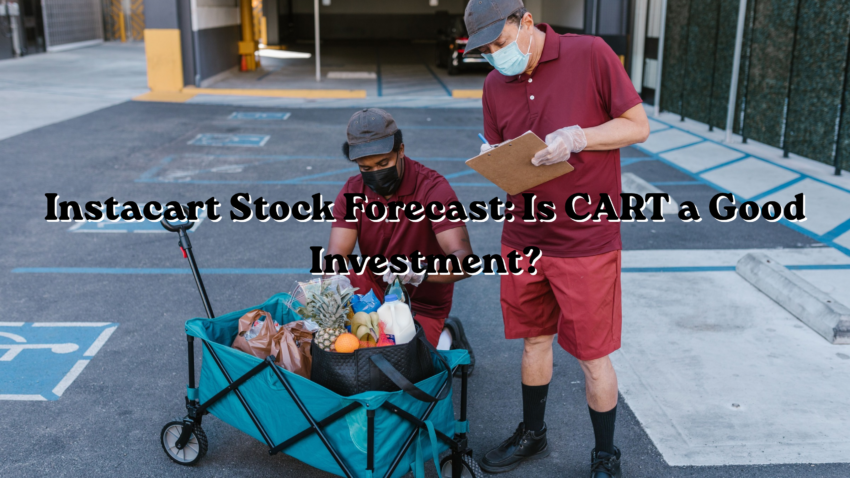
Instacart operates a grocery marketplace that connects customers with retailers and shoppers for delivery or pickup. Customers place orders through Instacart’s app or website, while participating grocery chains supply the products and fulfill orders through different arrangements. Instacart can earn fees from transactions, including delivery and service charges, and may receive commissions or other payments from retail partners. Its revenue therefore depends partly on the number of orders completed and the value of goods purchased. Marketplace growth can increase sales, but it also brings costs tied to shopper operations, customer support, promotions, and fulfillment.
A second revenue stream comes from advertising and retailer technology. Brands can pay to promote products within the marketplace, reaching shoppers as they search and make purchase decisions. Instacart also offers retailers digital tools and services, including online storefront capabilities, fulfillment support, and data or advertising solutions. These offerings may generate revenue without a one-for-one increase in grocery orders and can carry different cost structures. In particular, advertising and software-related revenue may contribute more per dollar to gross profit than transaction revenue, although actual margins depend on delivery, service, and operating costs. Investors should distinguish rising marketplace activity from growth in these potentially higher-margin services.
Several operating measures can shape Instacart’s financial results and the outlook for instacart stock. Order volume indicates how frequently customers use the platform; average transaction value reflects spending per order. Retention matters because repeat customers can support order growth while reducing reliance on costly acquisition promotions. Retailer partnerships influence product selection, geographic reach, fulfillment options, and the quality of the customer experience. Advertising demand depends on brand budgets, shopper engagement, and the platform’s ability to demonstrate value to advertisers. Finally, operating efficiency—including disciplined marketing, effective shopper coordination, and technology investment—affects how much revenue translates into profit and cash flow. CART represents exposure to both grocery-commerce activity and a developing digital advertising and retail technology business, so assessing its prospects requires looking beyond headline sales growth to the mix, durability, and profitability of revenue.
Instacart’s growth prospects begin with the continued shift toward online grocery shopping. Convenience, delivery options, and digital ordering may encourage more households to use these services, while existing customers could place orders more frequently or choose larger baskets. Yet adoption is not guaranteed to rise at a steady pace: grocery habits vary by region, and some shoppers may return to in-store purchasing or limit delivery spending when household budgets tighten. Sustained growth therefore depends on delivering reliable service and demonstrating value to both customers and retail partners, not simply on the long-term popularity of online commerce.
Advertising offers another potential growth engine. Brands can use Instacart’s platform to reach shoppers near the point of purchase, and retailers may benefit from tools that help promote products and analyze demand. If advertising activity expands and merchants continue to see useful results, this business could contribute revenue without requiring a matching increase in delivery volume. Instacart also licenses technology, such as fulfillment and online storefront tools, to retailers. Deeper adoption could diversify its business beyond marketplace transactions, although retailers’ willingness to invest, integrate systems, and rely on an outside provider remains an important variable.
Over time, improved monetization, operating efficiency, and a favorable mix of advertising or technology services could support higher margins. These are plausible drivers, but they require continued execution: customer retention, retailer relationships, product quality, and cost control all matter. Competition from other delivery platforms, retailers’ own digital services, and alternative shopping models may constrain pricing or market share. Inflation, interest rates, and changes in consumer spending can also affect order frequency, basket sizes, and advertising budgets. Investors evaluating instacart stock should distinguish measurable progress from assumptions about future scale. Even if revenue and profitability increase, the share price may not rise automatically; valuation, expectations already reflected in the price, and broader market conditions also influence returns.
Instacart stock faces risks that extend beyond the company’s ability to attract shoppers. Grocery chains may strengthen their own pickup and delivery services, while competing platforms can use promotions, broader offerings, or pricing changes to win customers. Because consumers can switch providers relatively easily, competition may limit growth, increase marketing costs, or pressure fees and margins.
Grocery fulfillment also has inherently demanding economics. Orders involve labor, picking and packing, delivery logistics, refunds, and customer support, while grocery prices and margins are often low. Instacart’s marketplace model and technology can help manage these costs, but operating efficiency is not guaranteed. Higher wages, fuel costs, insurance, or fulfillment expenses could reduce profitability, particularly if the company cannot pass them on without weakening demand.
Retention is another consideration. The business depends on keeping households engaged and maintaining productive relationships with retailers and other partners. A loss of customers, reduced partner participation, or less favorable commercial terms could affect order volume and revenue. Advertising adds a further variable: brands’ spending can shift with economic conditions, marketing priorities, and the effectiveness of campaigns. A slowdown in advertising demand could weigh on growth even if grocery transactions remain resilient.
Reliable service and technology require ongoing investment. Outages, inaccurate substitutions, late deliveries, privacy or cybersecurity incidents, and changes in platform costs could damage trust and require additional spending. Investors should also consider regulatory developments and the possibility that competitors or retail partners change how they use the platform.
Valuation is best viewed as the price investors are paying relative to expectations for future growth, cash generation, and profitability. A share price may appear reasonable under optimistic assumptions yet offer limited margin for error if growth slows or costs rise. Conversely, near-term volatility does not by itself establish that shares are expensive or inexpensive. For instacart stock, review current financial statements and company guidance alongside share-based compensation, market conditions, and relevant valuation measures. Compare assumptions across periods and peers, and avoid treating any single ratio, forecast, or headline figure as decisive. Future results may differ materially from projections, so valuation judgments should account for uncertainty as well as potential upside.
Whether Instacart is a good investment depends on an investor’s view of its ability to convert its large grocery marketplace into durable, profitable growth. The bullish case centers on expanding higher-margin advertising and other services, strengthening relationships with retailers, and serving more customers without allowing costs to rise as quickly as revenue. If those efforts succeed, they could improve the business’s earnings profile beyond its core order-driven operations. However, growth potential is not a guarantee of future stock performance, and execution matters.
The main counterweights include competition from grocery retailers, delivery platforms, and other digital marketplaces; pressure on consumer spending; and the possibility that advertising or service revenue grows more slowly than expected. Investors should also consider whether the current valuation already reflects optimistic assumptions about margins and expansion. Even a company that performs well operationally can deliver disappointing stock returns if expectations embedded in its share price prove too high. Instacart stock may also experience substantial volatility as market sentiment and business results change.
A practical assessment starts with personal circumstances rather than a price forecast. Consider your investment time horizon, tolerance for volatility and risk of loss, and how a position would affect portfolio diversification. Ask whether you can remain comfortable if the share price falls or growth takes longer to materialize. Compare bullish, base-case, and bearish scenarios, using reasonable assumptions for revenue growth, margins, competition, and valuation rather than relying on a single outcome. Review the assumptions that would strengthen or weaken each scenario.
Before making a decision, check current company filings, earnings disclosures, and reliable market data; business conditions and valuation can change after any analysis is written. CART may be a potential fit for investors who believe Instacart can expand higher-margin revenue while sustaining efficient growth, but that thesis remains dependent on execution, competitive dynamics, and the price paid. This framework is for general information, not personalized financial advice or a guarantee of results. Investors should weigh the evidence and uncertainty against their own objectives before acting.